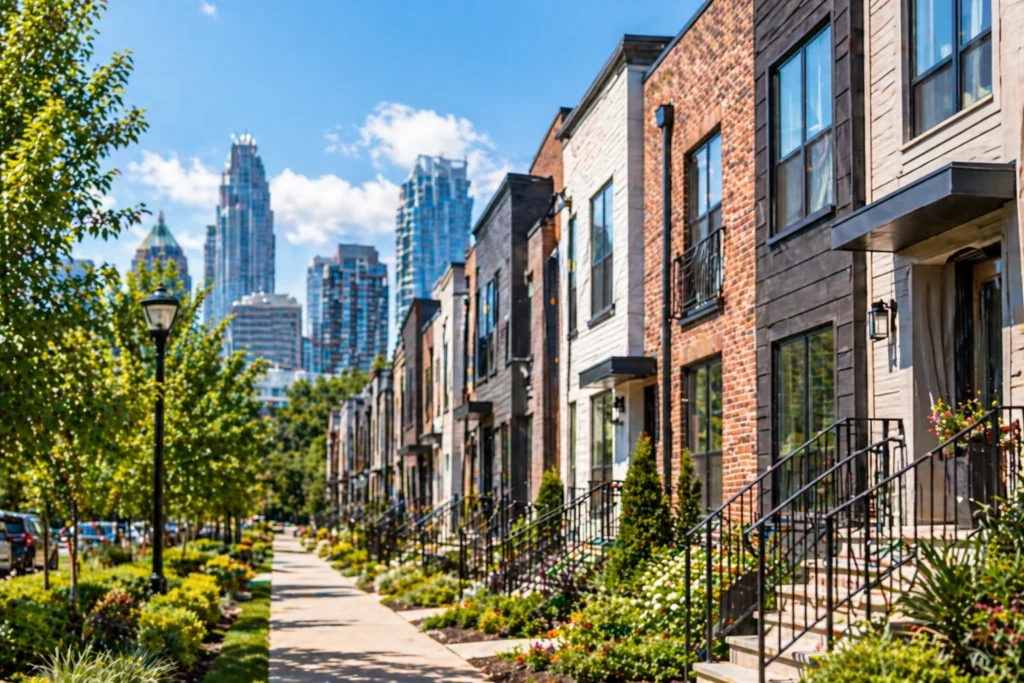

Townhomes and condos can be a great fit for buyers who want a lower-maintenance lifestyle, a more convenient location, or a different ownership setup than a traditional single-family home. In the Charlotte area, attached-home communities appeal to first-time buyers, professionals, downsizers, and homeowners who want less exterior upkeep and more flexibility in how they live.
That said, not all attached homes work the same way. Some are structured as townhomes, some are condos, and some newer communities blur the lines between the two. The layout may look similar at first glance, but ownership structure, HOA responsibilities, insurance needs, maintenance obligations, and monthly dues can vary quite a bit from one community to another.
For buyers, that is why it helps to look beyond square footage and price alone. This page gives an overview of what to know about townhomes and condos in the Charlotte area, including the pros, tradeoffs, and costs to watch. At the bottom of the page, you can also browse attached-home communities and use filters to help narrow your search.
What Counts as a Townhome or Condo?
Townhomes and condos are often grouped together because both are forms of attached housing, but they are not always the same from an ownership and maintenance perspective.
A townhome usually shares one or more walls with neighboring homes. In many cases, the owner has rights to both the interior and at least some portion of the exterior structure or lot, although the exact setup depends on the community and HOA documents. Some townhome communities handle exterior maintenance through the HOA, while others leave more responsibility with the individual owner.
A condo usually works differently. In many condo arrangements, the owner owns the interior living space while common areas and much of the exterior structure are maintained by the association. That setup can affect everything from monthly dues to insurance coverage to long-term repair responsibility.
For buyers, the takeaway is simple: do not assume the ownership structure based only on how the home looks. Two attached homes can appear very similar but come with very different maintenance obligations, fee structures, and financing considerations.
Why Buyers Choose Townhomes and Condos in the Charlotte Area
One of the biggest reasons buyers choose townhomes and condos is convenience. Attached homes can offer a lower-maintenance lifestyle than a detached home, especially in communities where exterior care, lawn service, and shared amenities are handled through the HOA.
That can be appealing for buyers who do not want the ongoing responsibility of yard work, larger exterior upkeep, or the full maintenance demands that often come with a detached property. It can also be attractive for people who travel often, want a lock-and-leave lifestyle, or simply prefer a more manageable property.
Townhomes and condos can also create opportunities in locations where single-family homes may be less attainable. In some Charlotte-area neighborhoods, attached homes provide a way to buy in closer-in or more walkable areas, or to get newer construction with a smaller footprint and lower overall maintenance commitment.
For some buyers, that tradeoff makes a lot of sense. They may be willing to accept shared walls or a smaller lot in exchange for better location, newer finishes, lower exterior upkeep, or a different price point.
The Benefits of Attached-Home Living
Townhomes and condos can offer several advantages depending on the buyer’s goals.
One major benefit is simplicity. In many communities, owners do not have to worry as much about landscaping, exterior maintenance, or neighborhood common-area upkeep. That can make day-to-day ownership feel more manageable.
Another benefit is location. Attached-home communities are often built in areas where land is tighter, which can place buyers closer to restaurants, retail, employment centers, and other conveniences. In some parts of Charlotte and the surrounding suburbs, townhomes and condos give buyers an opportunity to live in areas where detached homes may be limited or significantly more expensive.
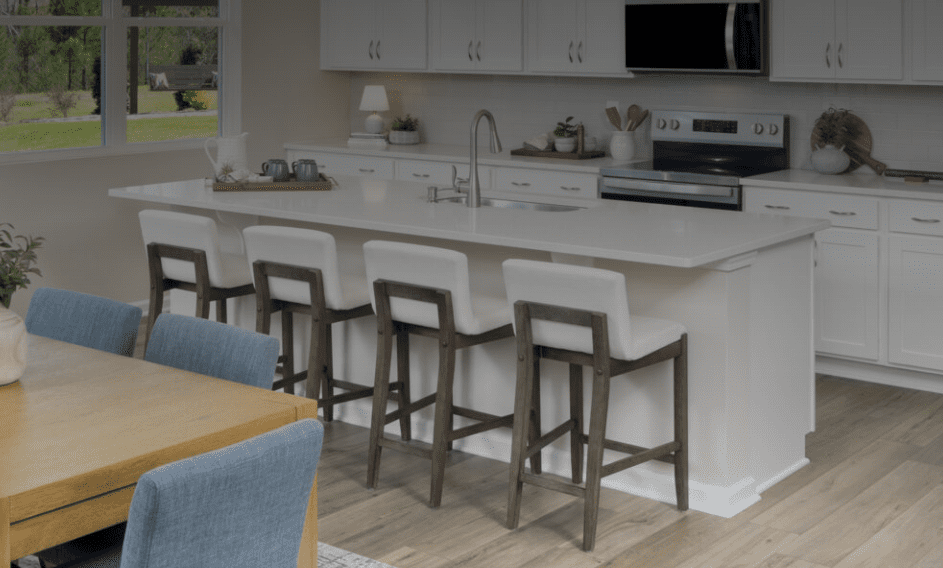
Attached homes can also appeal to buyers who want newer design features without taking on the full cost or upkeep of a larger detached house. Open layouts, modern kitchens, flexible office space, and lower-maintenance exteriors are all part of the appeal for many buyers.
Costs to Watch With Townhomes and Condos
The monthly payment is only part of the cost picture with attached homes. Buyers also need to look closely at HOA dues, what those dues actually cover, and what responsibilities still fall on the owner.
In some condo communities, the association may cover much more of the exterior structure, common spaces, and overall building maintenance. In townhome communities, the split between association responsibility and owner responsibility can vary widely. One HOA may include landscaping and roof maintenance, while another may cover only common areas.
BEFORE YOU BUY
Questions to Ask Before Buying a Townhome or Condo
Attached-home communities can look similar on the surface, but the ownership details can be very different. These are some of the most important questions to ask before you move forward.
What are the HOA dues?
Start with the monthly or annual amount, then look at how that fits into the total cost of ownership.
What is included in those dues?
Find out whether the HOA covers landscaping, exterior upkeep, amenities, insurance components, roofs, or only common areas.
Who handles exterior maintenance?
Do not assume the HOA takes care of everything. Clarify exactly what the owner is still responsible for.
How does the master insurance structure work?
Insurance responsibilities can vary by community, so it helps to understand what the association insures and what the owner still needs.
What is the parking and garage setup?
Look at garage size, driveway parking, assigned spaces, and how realistic the setup is for your household.
What are the guest parking rules?
Some communities are flexible, while others have tight limits that can affect everyday convenience.
Are there rental restrictions?
If future flexibility matters, review leasing rules carefully before buying.
What are the pet rules?
Breed limits, number of pets, and other restrictions can vary more than buyers expect.
Are there transfer fees or capital contributions?
These one-time costs can show up at closing and are easy to overlook if you only focus on monthly dues.
Is there any history of special assessments?
Past or pending assessments can tell you a lot about how the community handles major repairs and reserve planning.
Those details can affect affordability just as much as the mortgage payment. A community with higher dues may still make sense if those dues cover meaningful services and reduce other ownership costs. On the other hand, low dues do not always mean low responsibility.
Townhomes vs. Condos vs. Single-Family Homes
For many buyers, the real decision is not just townhome versus condo. It is attached home versus detached home.
A single-family home usually offers more privacy, more yard space, and fewer shared walls, but it also tends to bring more owner responsibility for maintenance, landscaping, and long-term exterior care.
A townhome may offer a middle ground. Buyers often get more private living space than a condo, and sometimes a garage or small outdoor area, while still benefiting from a more manageable lot and shared community structure.
A condo may offer the most simplified ownership model in some cases, especially when the association handles more of the building exterior and shared spaces. That can be attractive for buyers who want convenience and do not need a lot of outdoor space.
The right fit depends on priorities. Some buyers care most about privacy and independence. Others care more about location, lifestyle, maintenance, or monthly budget. There is not one best choice for everyone.
Who Townhomes and Condos Often Fit Best
Attached-home communities can work well for a wide variety of buyers.
They often make sense for first-time buyers who want an easier entry point into the market or a more manageable homeownership experience. They can also be a strong option for professionals who want less exterior upkeep and a location closer to employment centers or lifestyle amenities.
Townhomes and condos can also appeal to downsizers who no longer want the maintenance demands of a larger detached property. Some buyers simply want a more efficient home with fewer unused rooms, less yard work, and a layout that better matches their current lifestyle.
They can also fit buyers who travel often or split time between multiple places. In those cases, the idea of coming and going without worrying as much about outdoor maintenance can be a major advantage.
What Buyers Should Review Before Buying
Before buying a townhome or condo, it is worth slowing down and reviewing how the community actually functions.
Important things to confirm include the ownership structure, the HOA documents, maintenance responsibilities, community rules, and the total monthly cost once dues, insurance, and utilities are factored in. Buyers should also look at parking, guest parking, storage, pet policies, and whether the association has any meaningful financial or maintenance issues in the background.
For resale, it also helps to think about how the property will appeal to future buyers. Location, layout, garage setup, entry-level access, community appearance, and fee structure can all play a role in long-term demand.
A townhome or condo can absolutely be the right move, but it is worth making sure the community fits not just your budget, but also the way you want to live.
Charlotte Areas Popular for Townhome and Condo Communities
South End / Center City edge is one of the strongest areas to mention because it continues to see major residential growth and has a built-in audience for attached housing thanks to walkability, rail access, dining, and close proximity to Uptown. Center City Partners says more than 42,000 people now live in center city, and the Charlotte Observer recently reported billions in ongoing development across Uptown, Midtown, and South End. That kind of density and mixed-use growth tends to support condos, apartments, and attached-home demand.
Uptown also belongs on the list, especially for condo-style and higher-density attached living. It remains Charlotte’s most urban residential environment, with Center City Partners positioning Uptown as the core of the city and continued residential conversion and redevelopment activity reinforcing that role. For buyers who want a more urban, lock-and-leave lifestyle, Uptown is still one of the clearest condo-oriented areas in the market.
SouthPark is another strong area to feature, particularly for buyers looking for more upscale townhome and condo options. Charlotte’s official tourism site describes SouthPark as a high-end district centered on shopping, dining, and a polished lifestyle, and recent reporting shows continued redevelopment that includes additional townhome and multifamily-style housing. That combination makes SouthPark one of the clearest Charlotte examples of luxury attached-home demand.
Ballantyne is worth calling out because it continues evolving from a more traditional suburban office-and-golf area into a denser mixed-use district with additional attached housing formats. Recent coverage highlights major redevelopment in Ballantyne, including new residential towers and townhome-oriented projects, which supports the idea that it is becoming a more active place for buyers who want newer, lower-maintenance housing in South Charlotte.
NoDa and the Sugar Creek corridor are increasingly relevant for townhome communities, especially where infill and transit-oriented growth are pushing outward from the Blue Line. Recent Axios reporting on the Sugar Yards redevelopment points to 186 planned townhomes and explicitly ties that project to the growth wave spreading outward from NoDa and the light rail corridor. That makes this area a strong choice if you want to mention emerging attached-home growth rather than only established areas.
Plaza Midwood / nearby east-side infill areas like Commonwealth and Oakhurst also fit the page well. These neighborhoods tend to attract buyers who want character, convenience, and a closer-in location, and Axios has highlighted both townhouse-style projects near Plaza Midwood and newer attached-home development in nearby Oakhurst. This is a good bucket for buyers who want an in-town feel without being in Uptown or South End.
Need Help Comparing Townhome and Condo Values?
If you are trying to narrow down attached-home options, we can help you compare Charlotte-area townhome and condo communities, review pricing trends, and look at how similar homes are positioned in the market. That can give you a better feel for value, monthly costs, and resale potential before you move forward.
Search Townhome and Condo Communities in the Charlotte Area
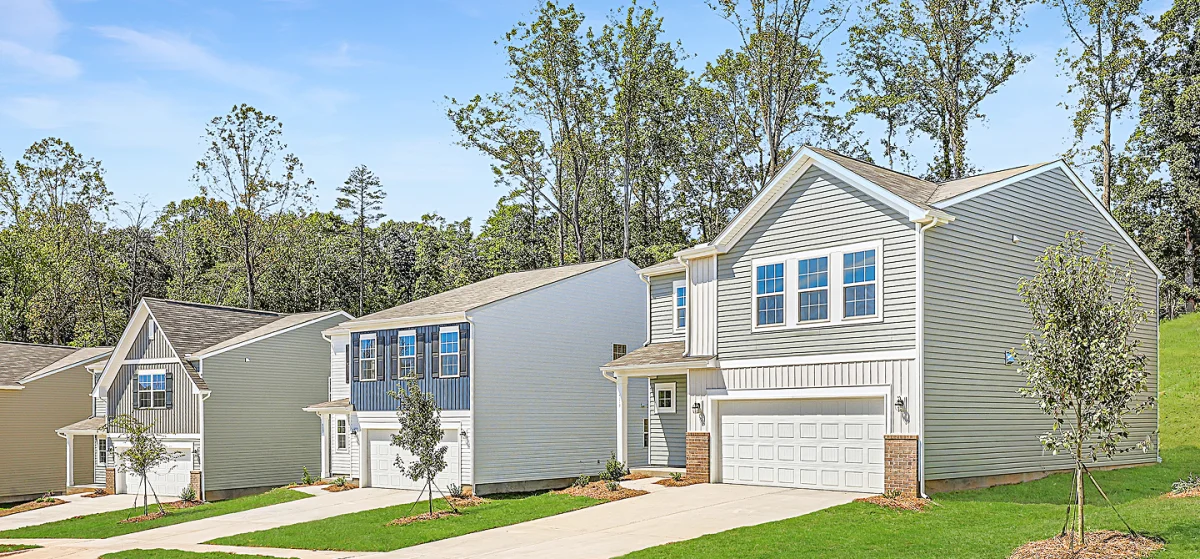
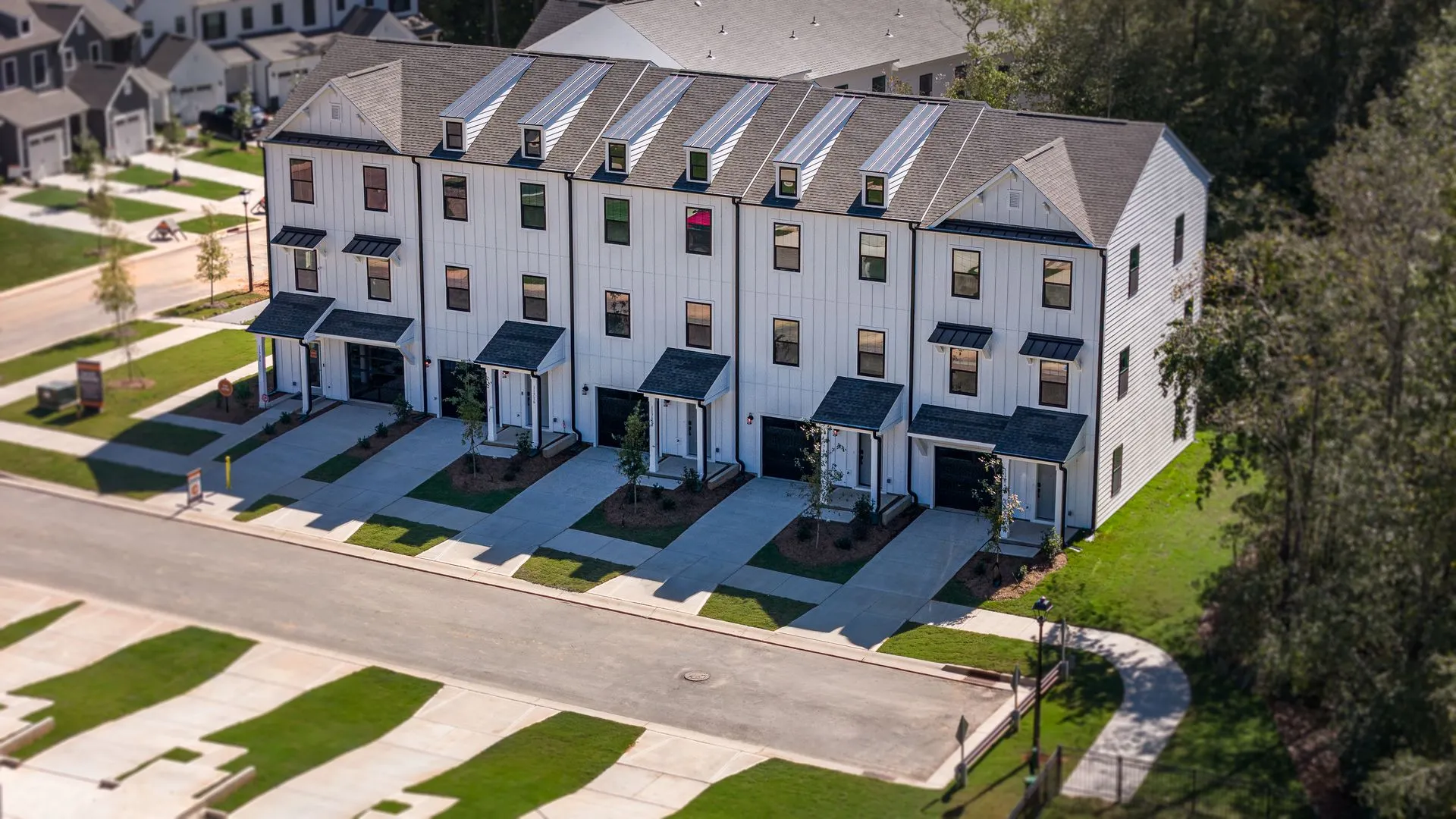
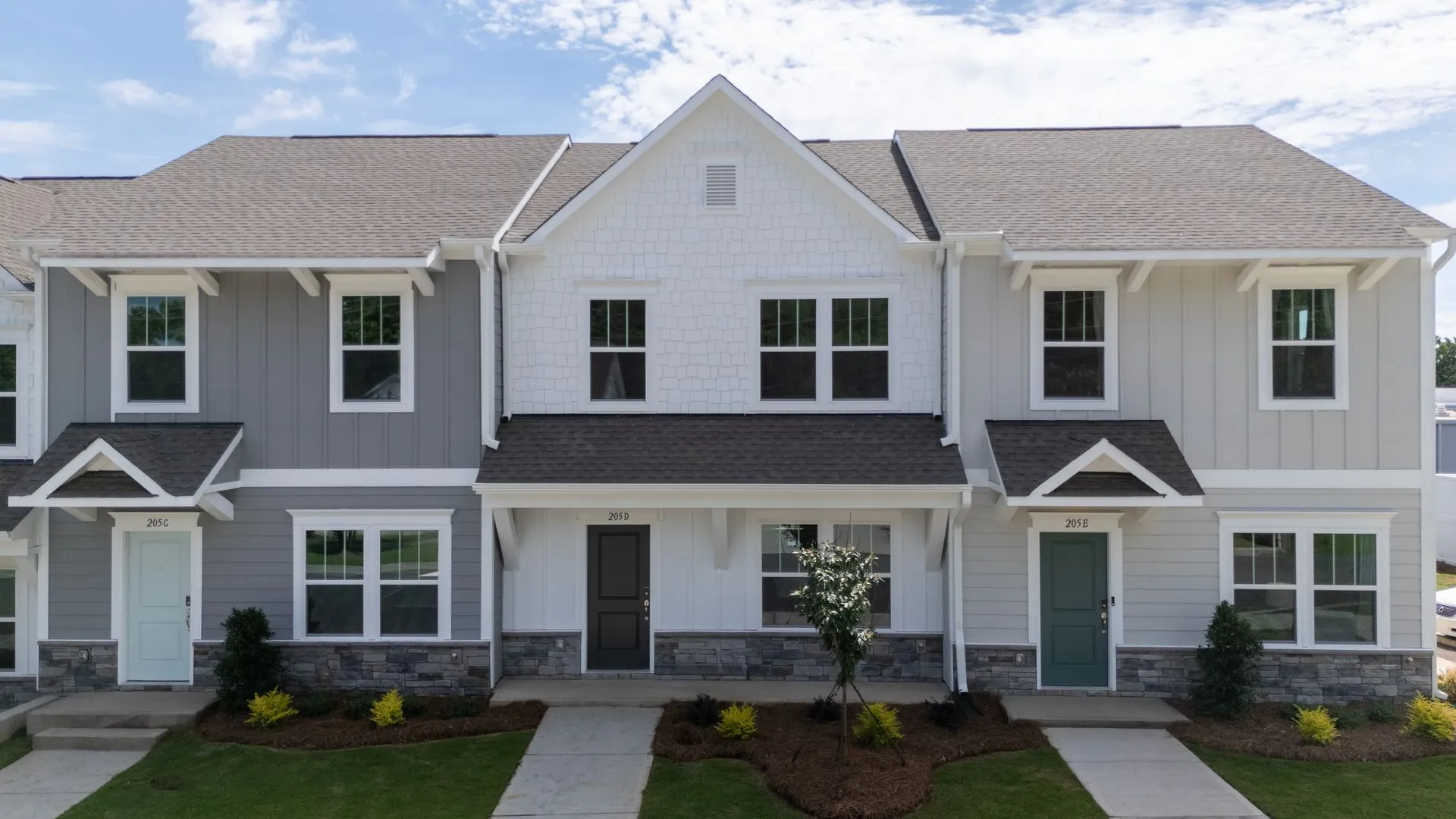
If you are looking for townhomes, condos, or other attached-home communities in the Charlotte area, use the search tools below to browse by location, builder, and community details. This can be a helpful way to compare communities that fit a lower-maintenance lifestyle or a more attached-home-focused search.
Sort
Related Guides
- Townhomes vs. Single-Family Homes in Charlotte
- Low-Maintenance Communities in the Charlotte Area
- Best Suburbs for Young Professionals Near Charlotte
- Schools in the Charlotte Area
- Monthly Home Ownership Costs
- Costs of Homeownership
- How School Districts Impact Home Value
- Browse Charlotte-Area Communities
- Browse Builders
- Contact HomeBuildersCLT.com
Frequently Asked Questions
What is the difference between a townhome and a condo?
A townhome and a condo can both be attached homes, but the ownership structure is often different. In many townhome communities, the owner may own the interior and at least some exterior elements, while condo ownership often centers on the interior living space with more exterior and common-area responsibility handled by the association. Buyers should always confirm the exact ownership structure for the specific property and community.
Are townhomes and condos lower maintenance than single-family homes?
They often can be, but it depends on the community. Some associations handle landscaping, exterior upkeep, and common areas, while others leave more responsibility with the owner. It is important to review what the HOA actually covers before assuming the home will require less maintenance.
Do townhomes and condos usually have HOA dues?
Many do. HOA dues may help pay for common-area maintenance, amenities, landscaping, exterior upkeep, insurance components, or shared building expenses, but what is included can vary significantly from one community to another.
What extra costs should buyers watch with townhomes and condos?
In addition to the mortgage payment, buyers should look at HOA dues, insurance needs, maintenance responsibilities, parking setup, utility structure, rental restrictions, pet rules, transfer fees, and any history of special assessments or major community repairs.
What documents should buyers review before purchasing a townhome or condo?
Buyers should review the declaration, restrictive covenants, bylaws, rules and regulations, and other association documents when available. These documents can affect maintenance obligations, property use, rental rules, architectural changes, and other ownership rights and responsibilities.
Can HOA rules affect resale or flexibility?
Yes. Rules around rentals, pets, parking, property changes, and community upkeep can affect day-to-day ownership as well as how appealing the property may be to future buyers.
Sources
Stay Updated and Get Expert Help With Your New Home Search
Sign up to receive updates on Charlotte-area communities, builders, and market trends, and let us know if you’d like to be contacted by a real estate professional for personalized guidance.