

Buying a home is exciting, but one of the biggest mistakes buyers make is budgeting only for the purchase price and monthly mortgage. The real cost of homeownership is broader than that. It starts before closing, continues the day you get the keys, and keeps evolving as the home ages and your needs change.
If you are buying in the Charlotte area, it helps to think about homeownership in phases. First come the costs of buying. Then come the immediate costs after closing, like move-in expenses, utility setup, furnishings, and early repairs. After that, there are the long-term costs that come with maintaining the property, living in a specific neighborhood, and making the house feel like your own.
A smart plan is not just about being able to qualify for the mortgage. It is about being able to live comfortably in the home after the closing is over.
The costs of buying a home
Before you ever move in, there are several major costs that come with the purchase itself. Most buyers focus on the down payment, but that is only part of the cash needed.
Closing costs are one of the biggest upfront expenses. Freddie Mac and the CFPB both note that buyers should generally expect closing costs to run about 2% to 5% of the purchase price, not including the down payment. Those costs can include lender fees, appraisal fees, title charges, recording fees, prepaid taxes, prepaid homeowners insurance, and prepaid interest.
For buyers using financing, there may also be costs tied to the loan itself. Depending on the lender and the loan structure, you may see origination charges, discount points, credit report fees, rate lock fees in some cases, and required reserves. The Loan Estimate is one of the most important documents to review because it shows how these costs add up before closing.
Beyond lender and title costs, buyers should also think about inspection-related expenses before closing. A general home inspection is common, but depending on the property, buyers may also want radon testing, termite inspections, sewer scope evaluations, roof inspections, or HVAC evaluations. New construction buyers can also spend money on pre-drywall inspections, final inspections, and warranty inspections later.
Then there is the cash cushion question. Even if you technically have enough for down payment and closing, that does not always mean you are well-positioned for the first few months of ownership. A strong buyer budget leaves room for the things that show up right after move-in.
Costs that begin right after closing
A lot of homeownership expenses do not wait six months or a year. They hit almost immediately.
The first category is move-in cost. That can include movers, truck rental, storage, boxes, deposits for utility transfers, cleaning supplies, locks, garage remotes, blinds, and basic tools. Even buyers who move on a budget often spend more than expected in the first month because there are always little things the home needs once it becomes yours.
The second category is setup cost. That includes internet installation, trash service where applicable, lawn equipment or lawn service, pest control, and any initial repairs or touch-ups you want to handle before fully settling in.
The third category is furnishing and decorating. This is one of the most underestimated parts of buying a home, especially for buyers moving into a larger property or a brand-new construction home. A home may need window treatments, rugs, furniture, lighting, shelving, wall decor, a refrigerator, washer, dryer, patio furniture, or organization systems for closets and garage space. None of those items are part of your mortgage payment, but they often become immediate needs.
For many buyers, this is where the “house poor” feeling starts. They can afford the payment, but they did not leave enough room for the reality of living in the home.
Ongoing monthly and annual ownership costs
Once the dust settles, homeownership turns into a rhythm of recurring expenses. Some are fixed or predictable. Others vary with the season, the age of the house, and how upgraded the home is.
Your mortgage payment may include principal, interest, property taxes, and homeowners insurance if those items are escrowed. But even when they are bundled into one payment, they are still separate budget items that can change over time.
Property taxes are one of the most important local costs to watch. In Mecklenburg County, the FY2026 county property tax rate is 49.27 cents per $100 of assessed value. Cabarrus County’s fiscal year 2025-26 county rate is 57.6 cents per $100. In many Charlotte-area locations, municipal taxes may apply on top of county taxes, so buyers need to check the exact address rather than assume one flat regional number.
Homeowners insurance is another major budget item, and it can change from year to year based on coverage levels, claim trends, and carrier pricing. North Carolina insurance costs have been under pressure, and buyers should treat insurance quotes as a live part of the budget rather than a minor afterthought.
Utilities matter more than many buyers expect. In the Charlotte area, electric costs can swing with summer cooling demand and winter heating needs. Duke Energy offers multiple residential rate structures, and bills include both fixed and usage-based components. Charlotte Water also uses fixed monthly fees plus usage-based charges, with FY26 residential fixed fees of $6.62 per month each for water and sewer, plus availability fees and volumetric usage charges. That means water, sewer, irrigation, and summer lawn watering can all affect the monthly total.
If the property is in an HOA or planned community, dues may also be part of the monthly or quarterly ownership cost. Fannie Mae notes that HOA fees can be monthly, quarterly, or annual and often go toward common area maintenance, landscaping, and amenities. In a newer Charlotte-area community, those dues may support pools, playgrounds, sidewalks, clubhouses, lawn care, or neighborhood appearance standards.
Long-term maintenance and repair costs
This is the category many buyers understand in theory but under-budget in practice.
Fannie Mae recommends budgeting roughly 1% to 4% of a home’s value per year for maintenance and repair, with newer homes generally on the lower end and older homes often needing more. Census reporting has also shown that newer owners tend to spend a higher share of home value on improvements and maintenance than longer-term owners.
For a Charlotte-area buyer, maintenance can include HVAC service, gutter cleaning, pressure washing, caulking, landscaping, irrigation repairs, pest control, roof upkeep, driveway sealing where needed, and exterior paint or siding work over time. The local climate matters. Heat, humidity, pollen, storms, and long growing seasons can all increase wear on exterior surfaces and make lawn and landscape maintenance a bigger line item than some buyers expect.
New construction homes can reduce early repair risk, but they do not eliminate costs. Buyers may still add fencing, patios, blinds, ceiling fans, upgraded lighting, storage systems, appliance packages, garage organization, and backyard improvements soon after move-in. That is especially common in builder communities where the home is delivered clean and functional but not fully personalized.
Older homes may come with a different cost pattern. They can offer maturity, trees, and character, but buyers may need to budget sooner for windows, plumbing updates, electrical work, roof replacement, crawl space work, or aging systems.
Download a Monthly and Yearly Homeownership Expense Tracker
Want a simple way to plan for the real cost of owning a home? We created a HomeBuildersCLT.com expense tracker you can download and use to map out monthly and yearly housing expenses in one place. The Excel version is helpful if you want to plug in your own numbers and track changes over time, while the PDF version is great if you prefer something printable or easy to save for reference. Both are designed to help buyers think beyond the mortgage payment and budget for taxes, insurance, HOA dues, utilities, maintenance, repairs, and other recurring ownership costs.
Charlotte-specific ownership costs buyers should not overlook
In the Charlotte market, a few costs show up often enough that buyers should account for them early.
One is landscaping and outdoor upkeep. Many homes in the region have active lawns, long mowing seasons, planting beds, and irrigation systems. Even if the cost is not huge month to month, it can become a steady recurring expense.
Another is customization after purchase. A lot of buyers move into a home and quickly decide they want a screened porch, patio extension, fenced yard, updated primary bath, mudroom storage, or built-ins. Those are not required costs, but they are common ownership costs, especially after moving into a home you expect to keep for several years.
There is also a lifestyle cost to homeownership. A bigger house usually means more furniture, more cleaning, more maintenance, and often higher utility bills. Buyers stretching to buy the most house possible sometimes leave themselves too little flexibility for the rest of ownership.
A better way to budget for homeownership
What to Budget for Beyond the Mortgage
Upfront Buying Costs
Down payment, closing costs, inspections, appraisal, lender fees, and prepaid taxes or insurance.
Move-In and Setup Costs
Movers, utility transfers, locks, cleaning supplies, lawn equipment, internet setup, and early essentials.
Furnishings and Decor
Furniture, rugs, blinds, lighting, storage, patio furniture, wall decor, and organization upgrades.
Utility Fluctuations
Electric, water, sewer, gas, irrigation, and seasonal heating or cooling changes throughout the year.
HOA Dues
Monthly, quarterly, or annual dues for neighborhood amenities, landscaping, and community upkeep when applicable.
Routine Maintenance
HVAC servicing, pest control, gutter cleaning, pressure washing, landscaping, and general home upkeep.
Emergency Repairs
Unexpected expenses like plumbing leaks, appliance failure, roof issues, water damage, or HVAC breakdowns.
Future Custom Projects
Fencing, patios, built-ins, screened porches, landscaping upgrades, and other post-closing improvements.
A practical way to think about it is this: if you buy the house and still have room to handle normal life, normal upkeep, and a few surprises, you are probably buying at a comfortable level. If buying the house uses nearly every available dollar, the home may still be technically affordable, but it may not feel sustainable.
That is one reason buyers benefit from looking at the full cost of ownership before they fall in love with a monthly payment. The best home purchase is not just one you can close on. It is one you can enjoy after closing too.
Existing Homes vs. New Construction: Understanding the Cost Difference
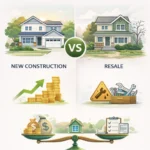
When comparing an existing home to new construction, the cost picture can look very different even when the purchase price is similar. An existing home may offer more mature landscaping, established neighborhoods, and sometimes a lower base price, but buyers also need to be prepared for the possibility of older roofs, HVAC systems, water heaters, windows, appliances, or other deferred maintenance items. New construction often comes with a higher starting price or added upgrade costs, but it can reduce some of the early repair risk because major systems, materials, and appliances are brand new. Another major benefit is builder warranty coverage, which can help protect buyers from certain repair costs during the first year or longer depending on the builder and the item covered. That does not mean a new home is maintenance-free, and buyers still need to budget for things like blinds, fencing, landscaping, appliances, and custom features after closing. Still, for many buyers, the tradeoff comes down to whether they would rather budget for updates and possible repairs in an older home or pay more upfront for a newer home with modern efficiency, lower near-term maintenance needs, and the added peace of mind that can come with builder warranty protection.
How can HomeBuildersCLT.com help?
If you are comparing homes or new construction communities in the Charlotte area, we can help you look beyond the list price and think through the full cost of ownership. That includes not just builder pricing or monthly payment estimates, but also HOA dues, tax differences by location, likely utility patterns, upgrade costs, and the post-closing expenses buyers often forget. Our goal is to help you make a smart move that fits both your budget now and your life after closing.
Need Help Budgeting for the Real Cost of Homeownership?
We help Charlotte-area buyers look beyond the mortgage payment and compare the full cost of owning a home, including taxes, HOA dues, maintenance, utilities, and new construction upgrade costs.
Related Guides
Frequently Asked Questions
What costs should I expect when buying a home?
Most buyers should plan for more than just the down payment. Common buying costs include closing costs, lender fees, appraisal, title charges, inspections, prepaid taxes, prepaid insurance, and moving expenses.
How much are closing costs usually?
A common estimate is about 2% to 5% of the purchase price, though the exact number depends on the loan, property, lender, and location.
What are the biggest costs after closing?
The biggest post-closing costs often include furnishings, window treatments, appliances, utility setup, lawn care, repairs, HOA dues, and maintenance items that show up in the first year.
How much should I budget for home maintenance each year?
A common rule of thumb is 1% to 4% of the home’s value annually, with newer homes often on the lower end and older homes usually requiring more.
Are Charlotte-area ownership costs different from other places?
They can be. Buyers here should pay close attention to county and city tax differences, HOA dues in planned communities, Charlotte Water charges, Duke Energy usage patterns, lawn and landscape upkeep, and post-closing customization costs that are common in newer homes.
Sources
- Freddie Mac: What Are Closing Costs and How Much Will I Pay?
- Consumer Financial Protection Bureau: What fees or charges are paid when closing on a mortgage?
- Fannie Mae: How to Build Your Maintenance and Repair Budget
- U.S. Census Bureau: Buying an Older Home? Consider Upkeep Costs, Not Just Price
- Charlotte Water: Rates & Fees
- Mecklenburg County Tax Collector: Tax Rates
- Cabarrus County: Tax Rates
- Duke Energy: North Carolina Residential Rate Information
- Duke Energy: Understanding Riders & Your Energy Bill
- Fannie Mae: How You Can Prepare for the Costs of Homeownership
Stay Updated and Get Expert Help With Your New Home Search
Sign up to receive updates on Charlotte-area communities, builders, and market trends, and let us know if you’d like to be contacted by a real estate professional for personalized guidance.